A good specimen can look exceptional on one site and questionable on another for reasons that have nothing to do with the mineral itself. That is why an online mineral dealer comparison matters. When you are buying one-of-a-kind specimens from photos and descriptions,...
A fluorite that looks great in a small photo can disappoint the moment it is in hand. Color may wash out under normal room light, edge wear may be worse than expected, or the piece may simply lack the balance that makes a specimen worth space in a collection. If you...
A fine fluorite specimen can look simple in a photo and completely outperform expectations in hand – or do the opposite. That gap is exactly why a serious guide to buying fluorite crystals matters. Fluorite is one of the most collected mineral species for good...
If you have ever compared two listings for the same species and wondered why one thumbnail costs nearly as much as a cabinet piece, the answer usually starts with understanding thumbnail vs cabinet minerals. Size matters in mineral collecting, but not in the simple...
A fluorite from a famous pocket and a larger fluorite from an ordinary find can look similar in a quick photo, yet sell at very different prices. That is the challenge in learning how to price mineral specimens. Price is rarely about size alone. In the specimen...
A display shelf reveals strengths and weaknesses fast. Under room lighting and at normal viewing distance, some specimens hold attention immediately, while others need a close look or stronger light to show what makes them special. If you are choosing the best...
A collector sees two fluorite specimens of roughly the same size, yet one is priced at $95 and the other at $950. That gap is exactly why are fluorite specimens expensive is such a common question. With fluorite, price is rarely about size alone. It is usually a...
Fluorite, Berbes, Spain A collector can spot the difference almost immediately. A specimen chosen one by one for crystal quality, damage level, color, balance, and presentation simply shows differently than material sorted for volume. That is the real value behind...
Two specimens can share the same mineral species, locality, and size, yet one will sell quickly while the other lingers. The difference usually comes down to a collector’s ability to see quality clearly. If you want to learn how to grade mineral specimens, you...
The fastest way to get discouraged as a new collector is to buy random specimens with no plan, then realize a month later that half of them do not fit together in size, quality, or purpose. If you want to know how to start mineral collecting, begin with a simple idea:...
A specimen can look substantial in a photo and arrive much smaller than expected. That is why a clear mineral specimen size guide matters. In collector terms, size is not just a measurement. It affects display presence, handling, price, storage, shipping risk, and how...
If you have spent any time browsing mineral listings, you have probably seen size terms like thumbnail, miniature, small cabinet, and cabinet used almost as often as the mineral name itself. For collectors, these are not casual labels. If you are wondering what is a...
A specimen can look excellent in a photo and still raise a basic collecting question once you read the description: is it fully natural, or has it been repaired? In the natural vs repaired mineral specimens discussion, the right answer is not always that repaired is...
A good specimen can look impressive in a photo and still be the wrong buy for your collection. That is why a fine mineral buying guide should start with the same question experienced collectors ask before they purchase anything: what, exactly, are you trying to add?...
A bright fluorite with sharp zoning can outsell a larger but duller example of the same species in a matter of hours. A common calcite can become highly desirable if the form is exceptional, the locality is classic, or the specimen presents beautifully on matrix. That...
A good specimen can look outstanding in a photo and still disappoint when it arrives. The difference usually comes down to where to buy mineral specimens and how carefully the seller presents, identifies, packs, and prices each piece. For collectors, that choice...
The quality of a specimen can look obvious in a photo, right up until it arrives and you realize the luster was flatter, the scale was smaller, or the damage was easier to miss on a screen. That is why buying collector mineral specimens online rewards a careful eye....
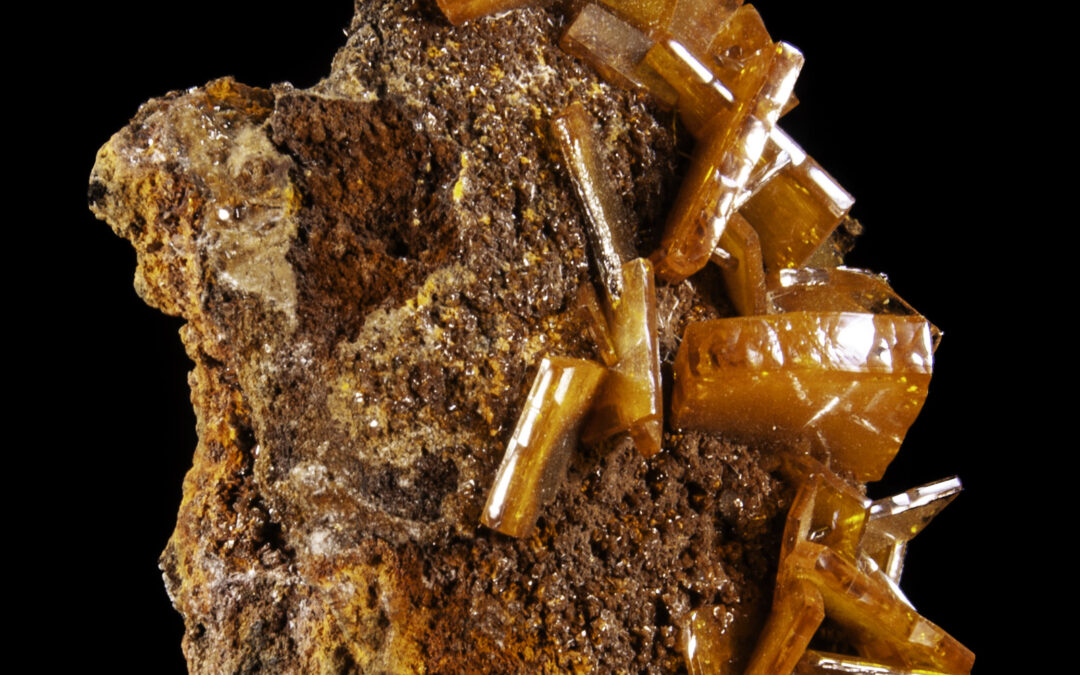
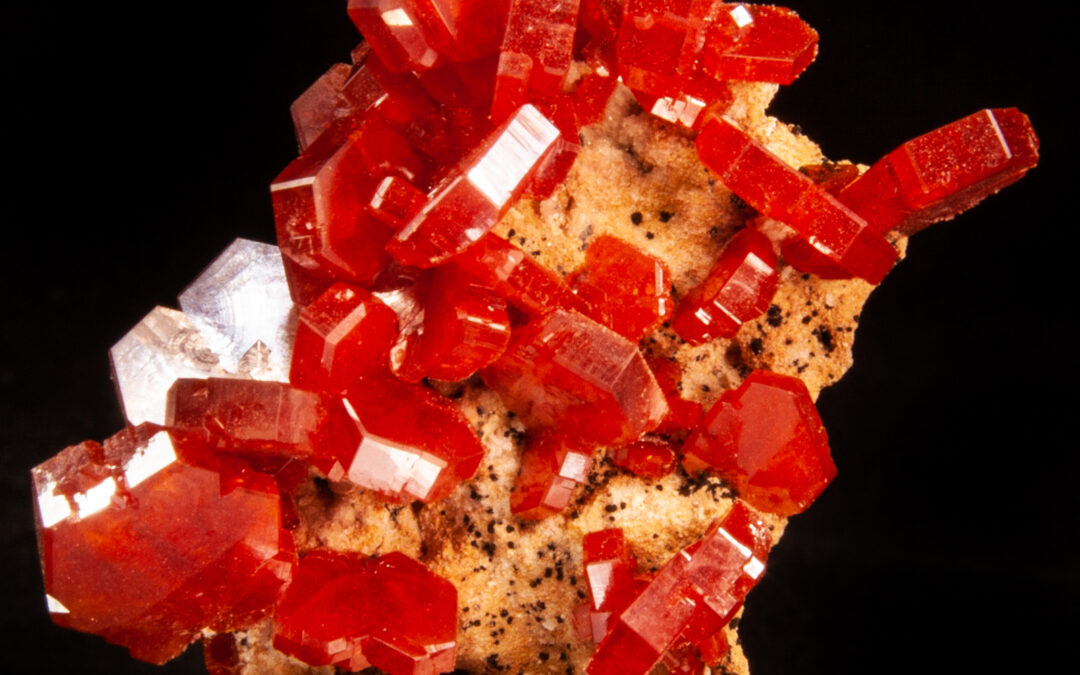
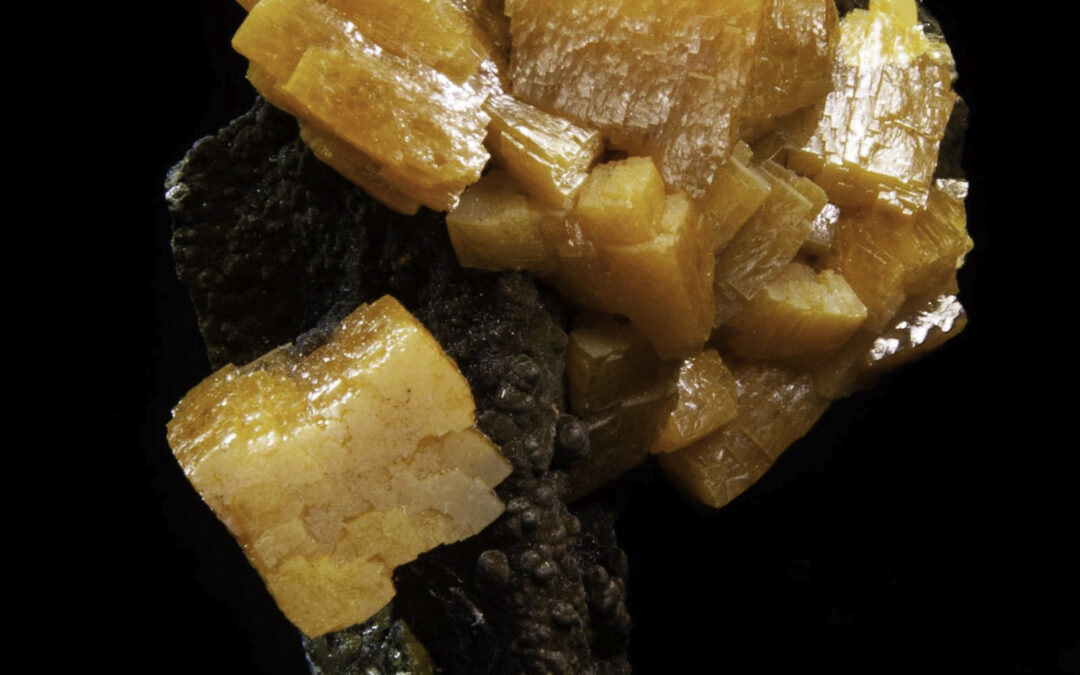
Wulfenite has a way of stopping a collector mid-scroll. A sharp orange tabular crystal from Red Cloud, a bright plate from Los Lamentos, or a modest thumbnail with good color and clean edges can all justify the decision to buy wulfenite mineral specimens – but...
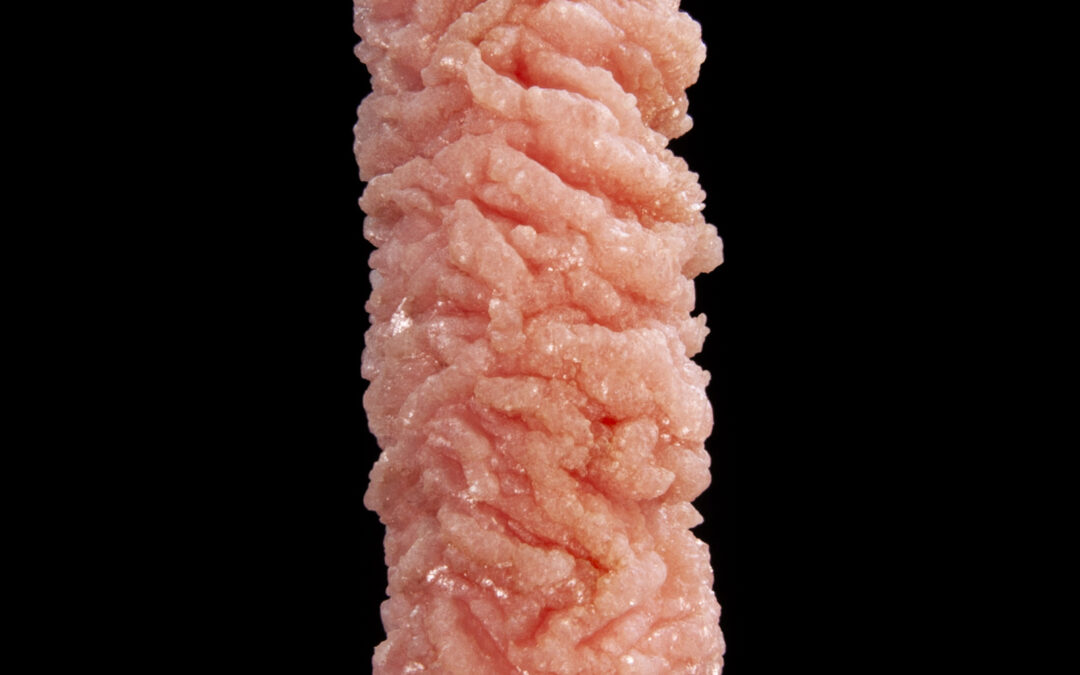
Rhodochrosite can look spectacular in a thumbnail and disappointing in hand if you buy on color alone. That is why collectors who want to buy rhodochrosite specimens online usually focus less on hype and more on the details that determine whether a piece will still...
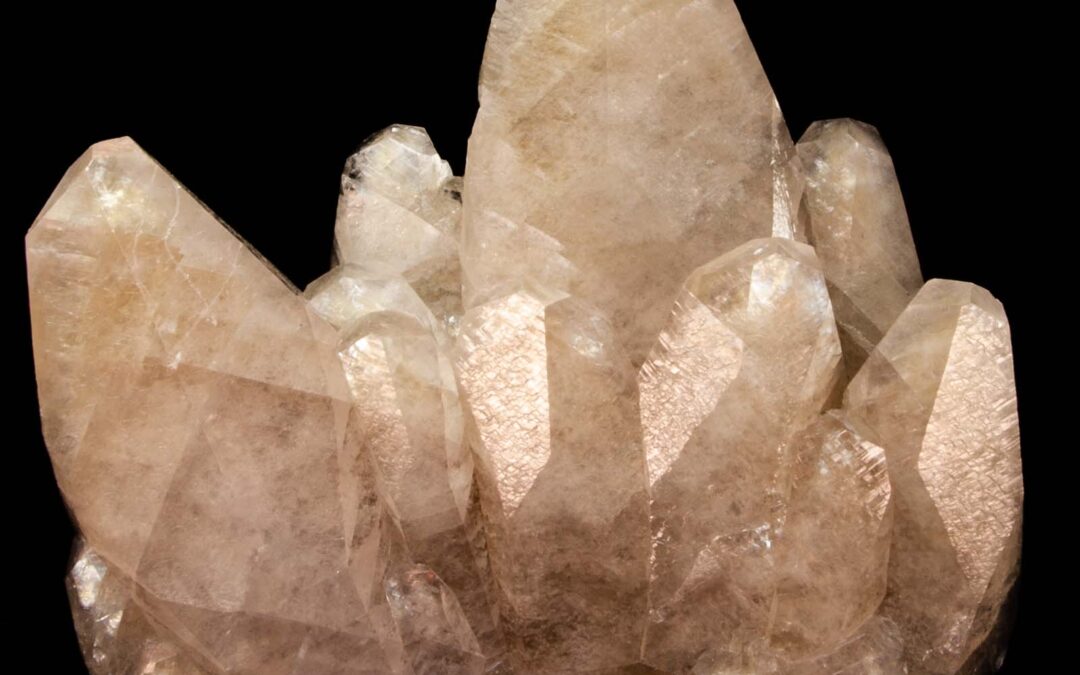
A good calcite specimen is easy to recognize the moment you see it. The crystal habit is sharp, the luster is lively, the color is clean or pleasantly zoned, and the piece has real display presence. But when you set out to buy calcite crystal specimens online, the...
A sharp fluorite with exposed edges, a delicate azurite cluster, or a calcite on matrix can survive cross-country shipping – but only if the packing method matches the specimen. If you are learning how to ship mineral specimens, the real job is not just filling...
A delicate vanadinite can lose crystals from one careless drawer slide. A fine fluorite that looked perfect on arrival can haze over in a damp room. Most storage problems in a mineral collection do not come from dramatic accidents. They come from ordinary habits that...
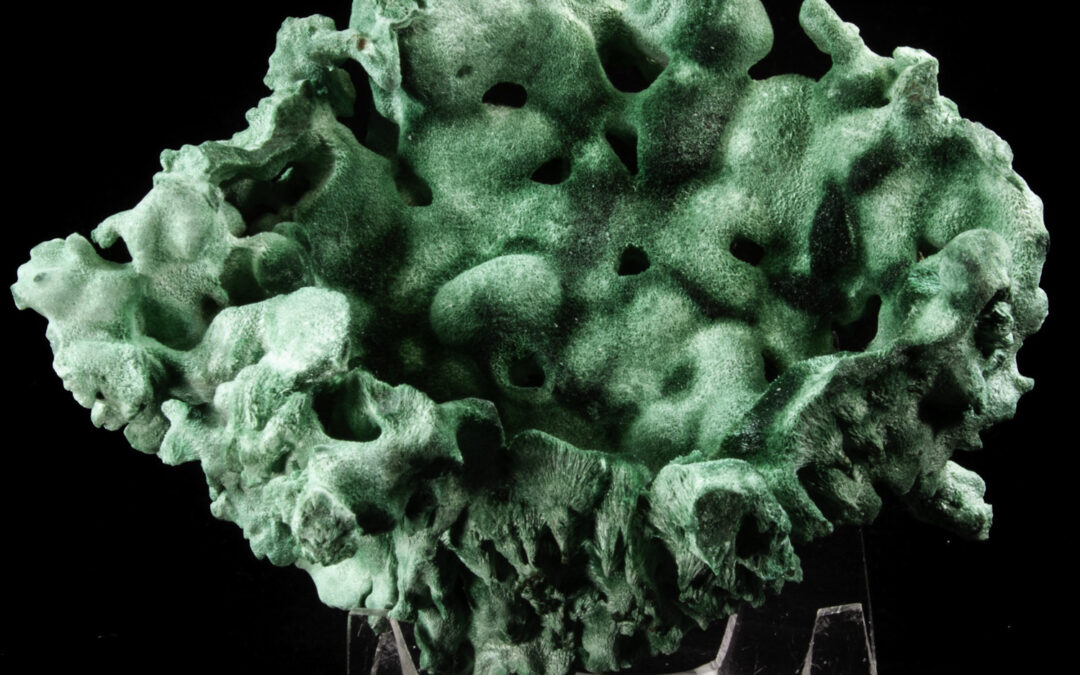
A green crystal cluster labeled “malachite” can look convincing until you notice the crystal habit is wrong, the luster is off, and the matrix doesn’t match what you would expect. That is usually where collectors start learning how to identify mineral specimens...
A fine specimen can lose half its presence when it is sitting at the wrong angle, crowded by an oversized holder, or leaning on something that was never meant to support it. Mineral specimen display stands are not an accessory in the gift-shop sense. For collectors,...
A new collection usually starts the same way – with one specimen that looks better in person than it did in a photo. Then comes the question every beginner runs into: what should you buy next? The best minerals for new collectors are not always the rarest or...
A fine fluorite with sharp zoning, a bright azurite on contrasting matrix, or a clean rhodochrosite from a classic locality can look impressive in a photo. What separates high end mineral specimens from ordinary collector material, though, is not just visual impact....
A well-chosen miniature can do almost everything a larger specimen does – show crystal form, represent a classic locality, add color and contrast to a display, and fit into a collection without demanding much space. That is why miniature mineral specimens for...
A specimen can lose value faster from overcleaning than from the dirt that came on it. That is the first rule behind how to clean mineral specimens: start conservatively, identify the mineral first, and treat cleaning as preservation rather than restoration. For...
A fine calcite with sharp scalenohedrons, a saturated rhodochrosite from a classic locality, or a clean smithsonite with strong color can change the direction of a collection fast. When collectors look for carbonate mineral specimens for sale, they are usually not...
A fluorite specimen can look excellent in one photo and disappointing in hand if you do not know what to check first. When collectors buy fluorite mineral specimens, the difference usually comes down to a few practical details: crystal quality, color behavior, damage,...
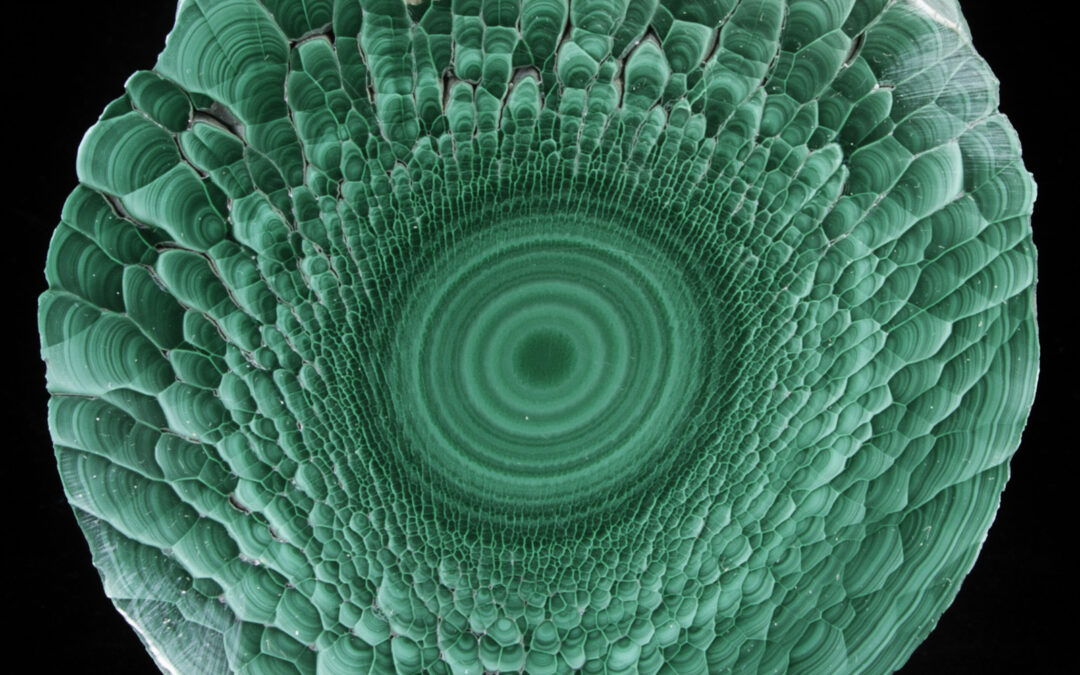
Malachite Stalactite slice (Polished) A fine mineral specimen usually tells you what it is within seconds. The crystal form is clean, the color reads true, the damage is limited or honestly disclosed, and the piece makes sense for its size and price. When you are...